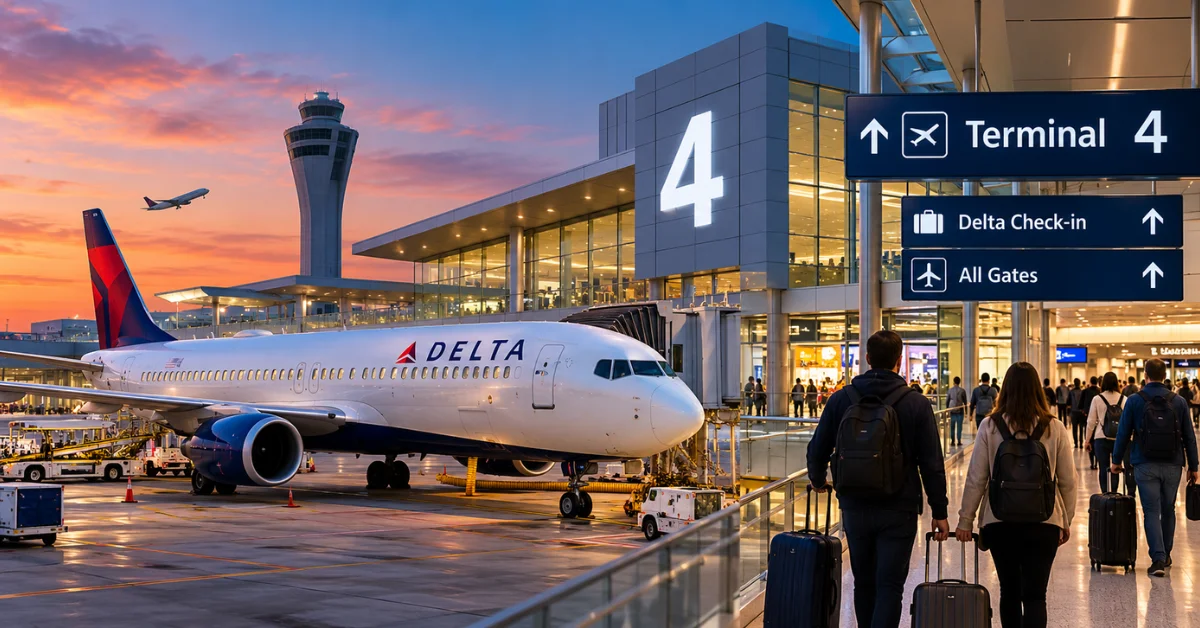
Behind every airport terminal lies a controlled environment where aircraft move and ground crews perform critical operations. Strict security governs every activity within this area. Airport tarmac access controls entry into this protected zone. Only authorized personnel can enter the airport tarmac zone. Understanding what is airport tarmac access helps explain how airports protect aircraft, passengers, and staff. Strict airside access rules regulate every movement inside the airport restricted zone. Airports reserve this secure area for essential operations and premium services that demand safety, precision, and efficiency.
What is Airport Tarmac Access?
Airport tarmac access refers to the controlled entry into the airside areas where aircraft move, park, and are serviced. Knowing what is airport tarmac access means understanding that it includes more than the visible paved surface. It covers all movement zones such as the airport apron, airport ramp, runways, taxiways, and designated service roads. These areas form the core of the tarmac area, where ground crews handle fueling, maintenance, logistics, and aircraft turnaround.
Because these airports support active aircraft operations, tarmac access follows strict rules. Only authorized personnel with proper airside access and clearance can enter. It ensures that every action within this airport’s restricted zone remains safe, coordinated, and fully compliant.
Runways, Taxiways, and Aprons
The tarmac area includes the airport’s primary aircraft movement zones. Aircraft operate under strict safety and operational procedures in these areas. Air traffic controllers restrict runway access to takeoffs, landings, and authorized airport vehicles. Only approved personnel and vehicles may enter active runways. Taxiway access connects runways to the airport apron, allowing aircraft to move safely between operational areas.
Once an aircraft reaches the airport apron or airport ramp, ground crews position it at a designated aircraft parking apron. They manage passenger boarding, deboarding, baggage handling, fueling, catering, cleaning, and maintenance. Every team follows strict operational and safety procedures. These controlled activities make the runway, taxiways, and apron essential components of airport tarmac access.
Airside Zone and Ground Operations
The larger airside area forms the backbone of airport logistics. It includes all secured regions beyond the passenger terminal, making it the center of critical airside operations. These operations cover aircraft docking, towing, fueling, catering, cleaning, and ground service coordination.
To enter this zone, every person or vehicle must obtain airside clearance and hold an approved airside security permit, ensuring that all movements support strict safety and operational rules. This regulated system of airport airside access protects aircraft, passengers, and staff from risk while maintaining smooth ground operations.
Tarmac Surface and Hardstand Areas
The tarmac surface covers paved areas used for aircraft positioning and servicing. The airport hardstand provides remote parking positions without traditional gates. Airlines use hardstands for charter flights, private jets, and overflow traffic. Ground crews service aircraft directly at these remote locations.
They perform fueling, cargo loading, maintenance, and safety inspections efficiently. Airport staff closely monitor every activity within the hardstand area. These controlled operations make hardstands an essential part of airport tarmac access.
These spaces support intensive aircraft ground operations, including engine checks, cargo loading, maintenance work, and crew coordination. Because these activities happen close to active aircraft, the hardstand area remains part of the most regulated sections of airport tarmac access, ensuring orderly operations and controlled movement at all times.
Why Is Airport Tarmac Access Restricted?
Airport tarmac access is tightly controlled to protect aircraft, passengers, and staff. The tarmac is part of the airportâs most sensitive operational environment. A small mistake can cause major safety risks or operational delays. Because this area is classified as a restricted airport zone, every movement must follow strict security, safety, and compliance rules to ensure smooth and secure airside operations.
Security Clearance and Authorization
Entry into the tarmac requires verified tarmac authorization and formal tarmac clearance. All individuals must obtain an airport access permit and carry an approved airside ID before entering the secure perimeter. These measures ensure that only vetted personnel access the restricted airport zone access areas, reducing risks and maintaining full control over who can move near active aircraft.
Safety and Compliance Requirements
The tarmac is governed by strict tarmac safety rules designed to protect aircraft and personnel. Every action must follow established tarmac procedures, supervised by airport tarmac control teams who monitor movement and coordinate activities. Compliance with tarmac operations rules ensures that vehicles, equipment, and staff maintain safe distances, communicate correctly, and operate in sync with aircraft schedules and ground conditions.
Approved Personnel and Vehicles
Only authorized teams and vehicles can enter this restricted environment. Ground crews handle baggage, cargo, and ramp operations with approved access. Authorized service vehicles include fuel trucks, catering units, maintenance vans, and safety cars. Airports grant airside staff access only to trained professionals. Certified technicians receive maintenance crew access to perform essential aircraft servicing. Every team follows strict movement and communication procedures. These rules maintain safety, security, and operational efficiency across the tarmac.
Operational Uses of Airport Tarmac Access
Everyday airport activity relies on controlled tarmac access to keep flights on schedule and maintain safe operations. From luggage movement to technical inspections, most essential tasks occur within secured airside zones. Understanding what airport tarmac access is becomes clear when looking at how many critical processes take place on the tarmac each day.
Baggage and Cargo Handling
The cargo handling area and baggage handling zone form a major part of airside work. Here, crews load and unload suitcases, cargo, mail, and special goods with precision and strict timing. These areas depend on authorized airport logistics access, ensuring only approved staff and vehicles manage the movement of items between aircraft and terminal systems. This controlled flow reduces delays and maintains security of all baggage and freight.
Refueling and Aircraft Maintenance
Airlines rely heavily on secure refueling area airport zones where trained teams manage fuel operations under strict safety procedures. Nearby, the maintenance zone supports inspections, repairs, and technical checks that ensure aircraft remain airworthy. Ground teams position each aircraft in a designated aircraft servicing area for inspections, maintenance, and departure preparation.
Ground Handling and Aircraft Turnaround
Smooth tarmac operations are essential for quick and safe aircraft turnaround. Teams performing ground crew operations handle tasks like positioning chocks, connecting ground power, setting catering vehicles, guiding aircraft into place, and coordinating with cockpit crews. All activities occur under the supervision of airport surface operations. It manage timings, safety rules, and communication to ensure flights depart without delays.
VIP and Private Jet Tarmac Access
A premium side of airport tarmac access is reserved for high profile passengers, private jet travelers, and VIP clients who require highly personalized movement. In this part of the airside zone, luxury transport services coordinate directly with aircraft, allowing select passengers to bypass terminals and move through secure pathways with maximum comfort and privacy.
Services offering VIP tarmac access allow passengers to step off their aircraft and enter a private vehicle without entering the terminal. For charter flights and private jet tarmac access provides the most efficient and private way to navigate the airport. These services rely on direct tarmac access, enabling premium cars to meet the aircraft at a designated point for immediate boarding or exit. A dedicated tarmac transfer service ensures perfect coordination between flight crews, ground teams, and private transport providers.
A professional chauffeur or airport representative meets premium passengers directly at the aircraft steps, providing a seamless planeside transfer. Instead of walking through crowded terminals or waiting in public areas, passengers move directly to a luxury vehicle with a private tarmac pickup. For departures, dedicated staff coordinate a smooth tarmac drop off, escorting passengers from their vehicle to the aircraft.
Sky Vip Ltd manages every tarmac transfer with precision, delivering a comfortable, private, and efficient travel experience from aircraft to destination and back again.
How Tarmac Access Works for Passengers
Airport staff carefully supervise passenger access to the tarmac to maintain safety and comply with airport regulations. Trained professionals coordinate every stage of the process, including timing, vehicle positioning, and communication with airside control teams. They guide passengers during both tarmac boarding and tarmac deboarding, ensuring each movement is safe, efficient, and fully compliant with airport security and operational procedures.
For premium clients, an airside VIP service handles all movement from the aircraft to the vehicle. Escorts guide passengers along marked paths, ensure safe distances from equipment, and coordinate with ground crews before any movement begins. Whether passengers are deboarding onto the tarmac or boarding directly from a private vehicle, the experience is controlled, monitored, and executed with careful attention to safety and comfort.
FAQs
Airport tarmac access is permission to enter the secured airside area where aircraft move and park. Only authorized staff, approved vehicles, and specific VIP passengers are allowed inside this restricted zone.
Regular passengers do not receive tarmac access. It is only offered through supervised boarding, special assistance, or dedicated VIP and private jet services.
Tarmac access covers aprons, ramps, taxiways, hardstands, and designated service roads used for ground operations, maintenance, fueling, and aircraft handling.
Access requires airside ID, security background checks, and a valid airport access permit. Staff also need specialized safety training.
Private jet and VIP travelers use direct tarmac access for privacy, fast transfers, and a seamless experience without entering the main terminal.
Tarmac access refers to specific paved operational areas, while airside access covers the entire secured zone beyond security checkpoints.
A tarmac delay happens when passengers remain on board an aircraft while it is parked on the tarmac. Weather issues, congestion, and operational holds are common causes.
Conclusion
Understanding airport tarmac access helps travelers appreciate the importance of this highly secure airport environment. Airports use the tarmac for aircraft movement, ground handling, fueling, maintenance, and other essential operations. Every activity follows strict safety procedures and access controls to protect passengers, aircraft, and airport staff. Professional teams coordinate each operation to keep flights running safely and efficiently. Travelers seeking a more exclusive airport experience can also benefit from VIP tarmac service provided by Sky VIP Ltd, offering seamless planeside transfers, personalized assistance, and premium airside travel experiences.